Today was a cold and rainy day, the first of many, being winter and all. My daughter Eliana stayed home with a cold and I didn't really feel like doing much.....how about having a little Christmas celebration?
I buy almost all of my tools from Ebay seller
yusui (Buy from him, but don't bid against me ;-) and he is a really great guy. Far and away, he is the best that I have dealt with. Hi Junji!!!
I buy things, Junji puts them in the "Jason" box until they reach 2 kg., then he sends them on their way. He ships SAL at cost so a 2 kg package is under $30 with insurance and tracking, takes about 10 days and is a REAL bargain. Sometimes the packages have items that I bought months ago, so when I open them up, it really is like a Christmas surprise! I often stash the package in the basement for days like today when I need a bit more light in my day. Pictures will be EXTRA poor today because the light is so dim.
This lot of tools was better than most. I had forgotten about almost all of the items, which is fun. Even the best of pictures don't convey the true "substance", the tactile feel and heft if the tool. The color, figure and depth of the wood used, the shimmer of the grain, even the blemishes, paint splatters and "whoops!" marks that all used tools have....all tell a story. When I buy from a picture, I only have a very minimal sense of what I may receive. You get some stinkers, but more often I have been pleasantly surprised. I have been VERY fortunate, though.
Ai-jakuri kiwa-ganna (moving fillister plane for us westerners). Hida tool has one, but they call it a Jyogiai kiwa-kanna. I am sure one of these names is right, right?
Used to cut a recessed field or rebate on the edge of a board, the vertical knife blade cuts the wood fibers right before the horizontal blade clears the waste. Nowadays people use a router "The Screeching Beast".
Wow, these pictures are dim. This plane has seen very light use by someone who knew what they were doing. Most Ebay planes have been ridden hard and put away wet, as they used to say in Montana. The body of this kanna is of Japanese red oak which has a very fine grain compared to American red oak. White oak is a bit nicer, but this is clean and well made.
The bottom of the plane has an inset piece of brass plate to reduce wear to the sole of the plane. The wing nuts are to adjust the fence, setting the width of the cut.
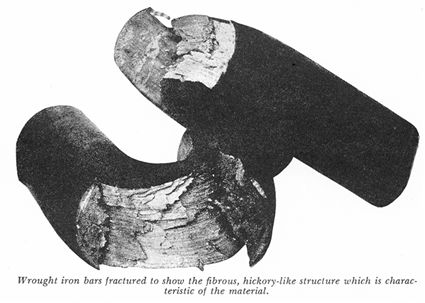
While not a REALLY high end plane, this is at the upper end of the quality ladder as evidenced by the more expensive ren-tetsu (wrought iron) used for the main blade. The black specks (goma) are spots of carbon that get trapped in between the layers of iron as it gets folded, again and again in the forging process. If you bend a piece of wrought iron to it's breaking point, you will see the fibrous structure that develops and gives wrought iron it's resiliency.
The wrought iron lends strength by absorbing shock to the brittle hard steel used for the cutting edge of the blade. Even better, it is soft and easy to sharpen! I wouldn't even THINK about using natural stones for sharpening a solid blade this thick, if it was all hardened to Rc 64!
Only a slight bit of hammer deformation at the top of the blade. Most of my kanna are hammered all to hell and I have to grind them back into shape. The manufacturers stamp matches some other planes that I have and are of a similar quality. Most of the Japanese tools that I see are actually made by small family owned blacksmiths under contract to a larger wholesaler. This is probably about the professional equivalent of a Bosch or Delta. NOT a Black and Decker!
This kanna is pretty much ready to put to work, just needs a quick sharpening. Not that it is dull, by any means. That is another thing that I have been surprised by, when buying these old tools. Almost exclusively, the blades have been reasonably sharp. I suspect that it is indicative of a more traditional respect that the craftsman has for his tools than we usually see. If I go into an antique or used/junk shop here, I will pretty much guarantee that there won't be a sharp tool in the whole building. Don't even get me started! With too many Ebay sellers, it is clear that there is no pride.
Next tool.......
Sakuri-kanna 21 mm in width.
This plane too is in really great, used condition.
Twin laminated blade design
Like a chisel, the hard steel is wrapped around the softer iron. 21 mm wide is just what you want for cutting a groove for a sliding door, one made from standard 3/4 inch materials. Hand forged. REALLY hand forged, not that cheap a** crap marketing speak that you see on the tools at Walmart.
For me, buying these tools are all about the details. This is a good quality plane, but again, not a super high-end tool. This is meant to be used by a professional carpenter. A standard shelf item, but still made by hand. The escapement for the wood shavings is hand cut, you can see the distinctive marks left by a curved knife. Both blades are laminated steel construction. The groove that cradles and supports the cutting blade is again, cut by hand tools. BTW, this is not some antique....you can still buy these, made the same way now as they were 100 years ago.
This is how the blades fit together. The upper blade is curved, or in this case bent, to provide positive contact at the cutting edge and also to create a wedging action.
The bend was formed by whacking it with a big hammer, haha! See the hammer/cold chisel marks on the upper secondary blade?
The blades both slide in from the bottom, secondary first, then the primary. You can barely see the primary peeking out of it's groove. These are a weee bit tight.
Yeah, that's a nail. When the carpenter bought the tool, either he or the owner of the store where he bought it, put this nail in to act as a stop for the blade. You see this on similar styles of plane.
So, this tool is used for cutting grooves and that is it. You can get the blade set at the depth that you like, then carefully hammer a nail in, just behind the primary blade and it will act as a registration stop. That way, each time that you remove the blade for sharpening, you can just pop the blade back in and not have to spend too much time fiddling around getting the depth set juuuust right. As the blade wears due to sharpening, you just give the nail a little tap and...back to work. Simple, practical, not too pretty, but then this isn't some bookend or wall hanging. It is a TOOL!
You can also see in the photo above that the edges of the plane body were beveled using a hand plane. Anyone who has used a block plane to cut a chamfer on a curved corner will recognize the marks on the rounded front of the tool, just under the nail. The mouth of the block plane was wide (as they often are) and the blade dug in, causing that faceted appearance. It's the details that make life interesting.
Sometimes a dragon will study math, as it's father meditates with tools.